✨ New Arrivals Just Dropped!Explore
African Tulip Tree, Jamaican Donkey Pee Pee  (Spathodea campanulata)
HomeStore

African Tulip Tree, Jamaican Donkey Pee Pee (Spathodea campanulata)

African Tulip Tree, Jamaican Donkey Pee Pee (Spathodea campanulata)

$29.98

Original: $99.95

-70%
African Tulip Tree, Jamaican Donkey Pee Pee (Spathodea campanulata)

$99.95

$29.98

The Story

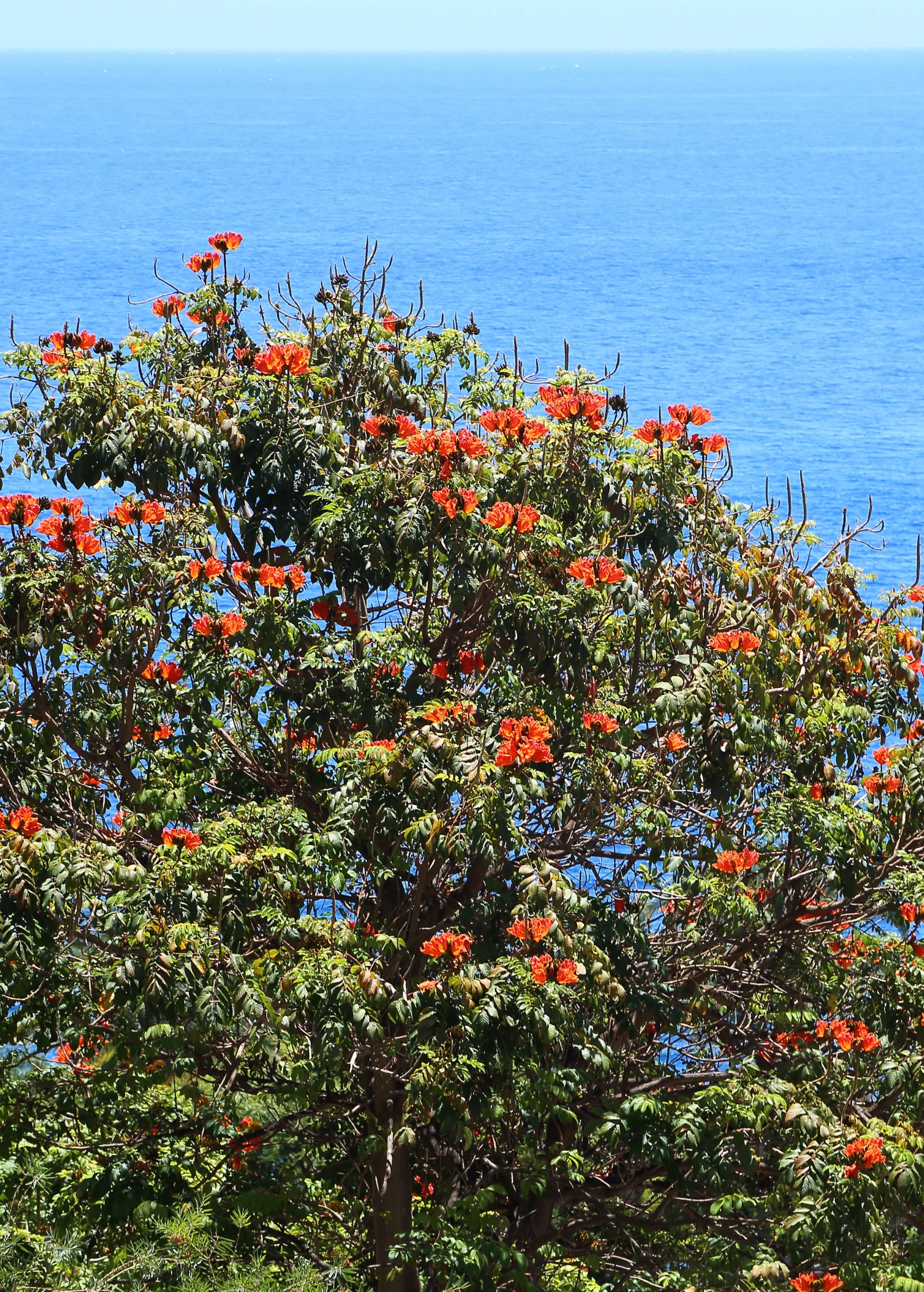
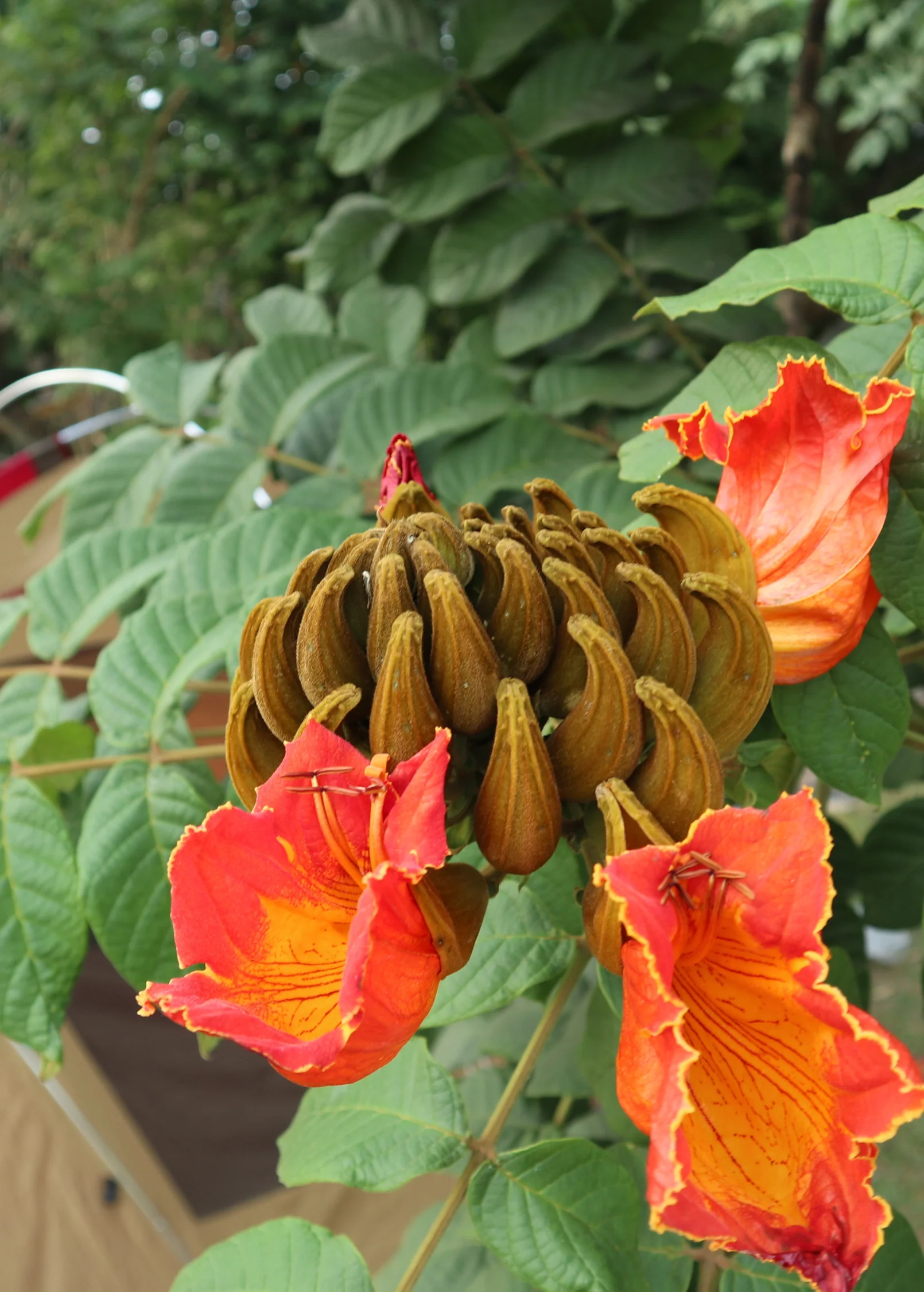
The African Tulip Tree, also known as Jamaican Donkey Pee Pee, is a visually striking ornamental tree that can be a magnificent addition to home gardens and food forests. Its fiery, cup-shaped flowers, which bloom in clusters of a vibrant orange-red hue, offer a dazzling display that can enhance the aesthetic appeal of any landscape.

This fast-growing tree can reach lofty heights fairly quickly, often towering up to 50-70 feet, making it suitable for spacious gardens. It prefers full sun exposure and thrives in well-draining, fertile soil but is adaptable to a range of soil types. Regular watering helps establish young trees, but once mature, they are notably drought-tolerant. Pruning is essential to maintain its shape and manage its size.

Traditionally, various parts of the African Tulip Tree have been used in herbal medicine. The bark, leaves, and flowers are believed to possess anti-inflammatory, analgesic, and antimicrobial properties. Infusions or decoctions made from the bark or leaves are used in treating conditions like malaria, gastrointestinal disorders, and skin ailments. The nectar from the flowers is sometimes used as eye drops, a mild laxative and to treat throat irritations.

For those interested in permaculture or food forests, the African Tulip Tree can offer more than just visual beauty. Its ability to improve soil fertility through leaf litter and its use as a medicinal plant can be valuable. 

African Tulip Tree, Jamaican Donkey Pee Pee  (Spathodea campanulata) - Image 2

Details & Craftsmanship

Every detail has been carefully considered to bring you the perfect product.
African Tulip Tree, Jamaican Donkey Pee Pee  (Spathodea campanulata) - Image 3

Details & Craftsmanship

Every detail has been carefully considered to bring you the perfect product.

African Tulip Tree, Jamaican Donkey Pee Pee  (Spathodea campanulata) - Image 4

Details & Craftsmanship

Every detail has been carefully considered to bring you the perfect product.

African Tulip Tree, Jamaican Donkey Pee Pee  (Spathodea campanulata) - Image 5

Details & Craftsmanship

Every detail has been carefully considered to bring you the perfect product.

African Tulip Tree, Jamaican Donkey Pee Pee  (Spathodea campanulata) - Image 6

Details & Craftsmanship

Every detail has been carefully considered to bring you the perfect product.
African Tulip Tree, Jamaican Donkey Pee Pee  (Spathodea campanulata) - Image 7

Details & Craftsmanship

Every detail has been carefully considered to bring you the perfect product.

Description

The African Tulip Tree, also known as Jamaican Donkey Pee Pee, is a visually striking ornamental tree that can be a magnificent addition to home gardens and food forests. Its fiery, cup-shaped flowers, which bloom in clusters of a vibrant orange-red hue, offer a dazzling display that can enhance the aesthetic appeal of any landscape.

This fast-growing tree can reach lofty heights fairly quickly, often towering up to 50-70 feet, making it suitable for spacious gardens. It prefers full sun exposure and thrives in well-draining, fertile soil but is adaptable to a range of soil types. Regular watering helps establish young trees, but once mature, they are notably drought-tolerant. Pruning is essential to maintain its shape and manage its size.

Traditionally, various parts of the African Tulip Tree have been used in herbal medicine. The bark, leaves, and flowers are believed to possess anti-inflammatory, analgesic, and antimicrobial properties. Infusions or decoctions made from the bark or leaves are used in treating conditions like malaria, gastrointestinal disorders, and skin ailments. The nectar from the flowers is sometimes used as eye drops, a mild laxative and to treat throat irritations.

For those interested in permaculture or food forests, the African Tulip Tree can offer more than just visual beauty. Its ability to improve soil fertility through leaf litter and its use as a medicinal plant can be valuable.