Original: $24.95
-70%$24.95
$7.48The Story
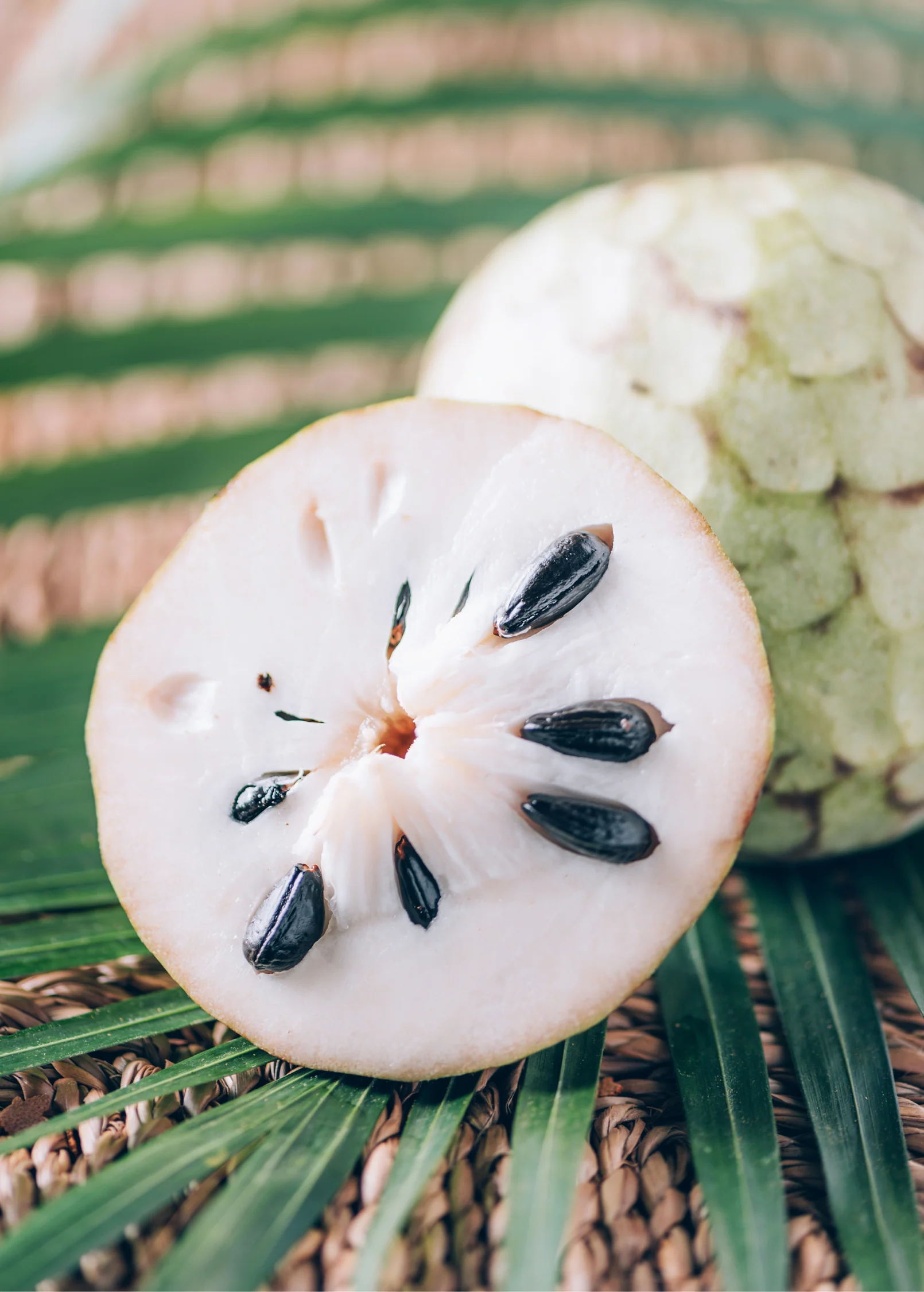
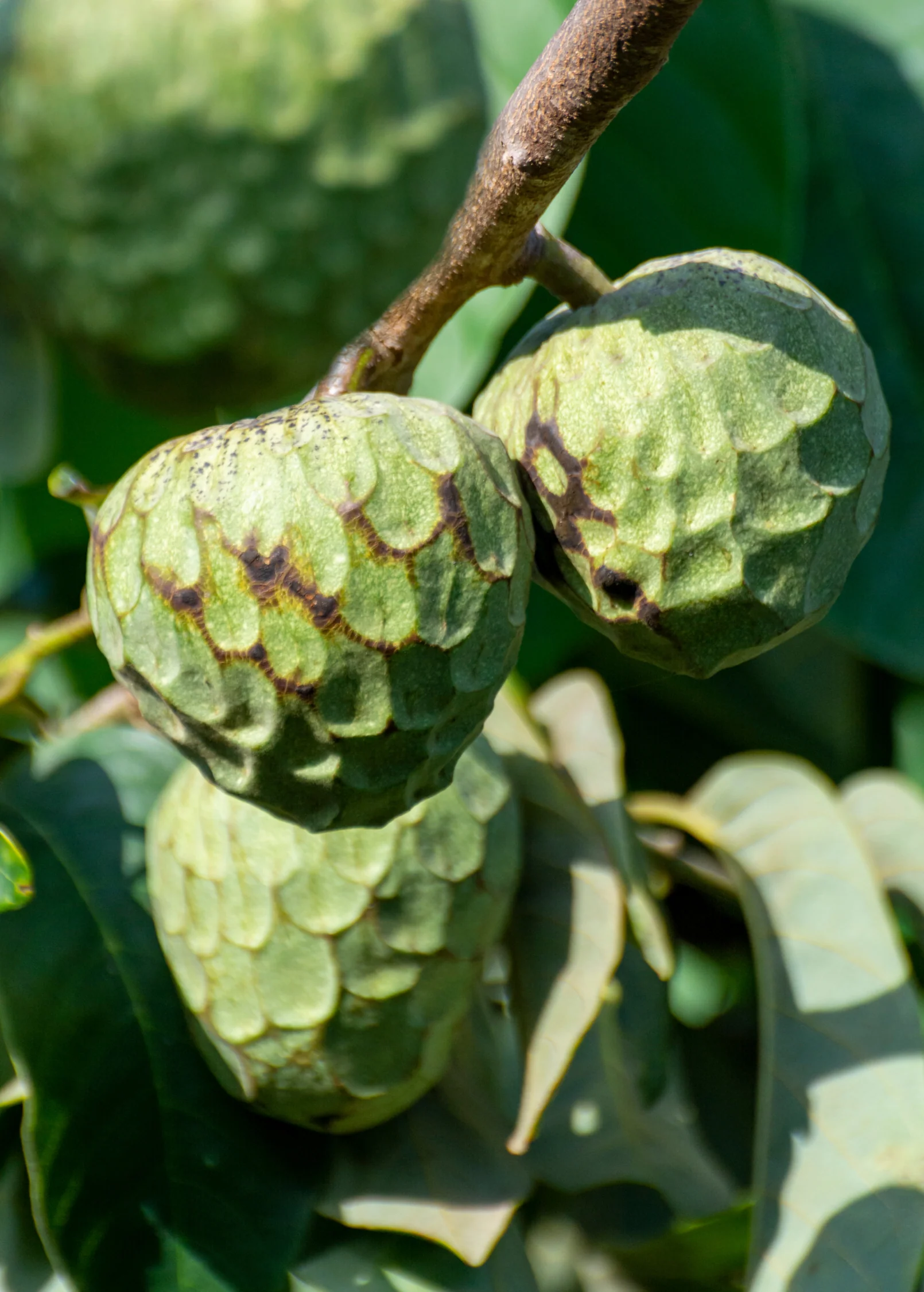
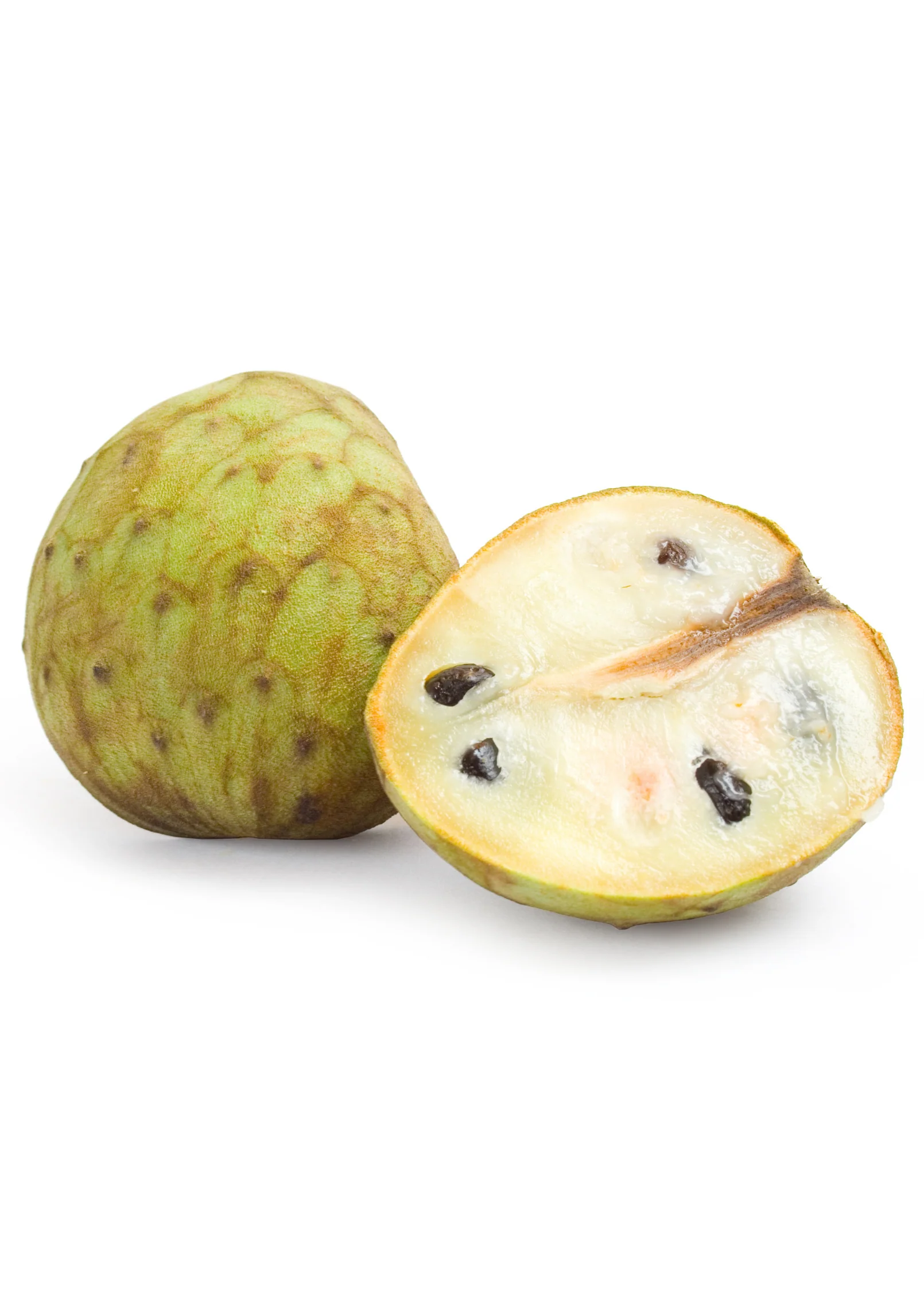
Cherimoya, also called the Custard Apple, is one of the most celebrated tropical fruits in the world—so much so that Mark Twain famously called it “the most delicious fruit known to men.” Native to the Andean valleys of South America, this small, semi-deciduous tree produces large, heart-shaped green fruits with soft, custard-like white flesh. The flavor is a decadent blend of banana, pineapple, strawberry, and vanilla cream. Cherimoya is cherished for fresh eating but also used in smoothies, ice creams, and desserts. With its lush foliage and prized fruit, it’s a dream tree for rare fruit collectors and permaculture gardeners.
Why Grow Cherimoya?
- Produces large, sweet, custard-like fruits with a tropical, complex flavor
- Considered one of the best-tasting fruits in the world
- Beautiful tree with lush, semi-deciduous foliage
- Excellent addition to food forests, edible landscapes, and rare fruit collections
- High in vitamin C, fiber, and antioxidants
Growing Tips
Cherimoya thrives in full sun with protection from extreme heat and wind. Plant in rich, well-drained soil, and water regularly to keep soil evenly moist. It prefers mild subtropical climates (USDA Zones 9b–11) and is not frost-tolerant when young. In cooler climates, grow in a large container and overwinter indoors. Hand-pollination is often recommended for reliable fruit set, as natural pollinators may be limited outside its native range. Prune in late winter to shape the tree and encourage new growth. Grafted trees may produce fruit within 1-2 years, seedlings within 3-4 years.
Cultural & Culinary Significance
Cherimoya has been cultivated in the Andean highlands for thousands of years, where it remains a cultural staple. The name chirimoya means “cold seeds” in Quechua, reflecting its ability to grow in cool, high-altitude valleys. Today, it’s prized worldwide for its luscious, creamy texture and complex flavor—often eaten with a spoon straight from the fruit, blended into smoothies, or made into custards, ice creams, and tropical desserts

Details & Craftsmanship
Every detail has been carefully considered to bring you the perfect product.
Details & Craftsmanship
Every detail has been carefully considered to bring you the perfect product.
Details & Craftsmanship
Every detail has been carefully considered to bring you the perfect product.
Description
Cherimoya, also called the Custard Apple, is one of the most celebrated tropical fruits in the world—so much so that Mark Twain famously called it “the most delicious fruit known to men.” Native to the Andean valleys of South America, this small, semi-deciduous tree produces large, heart-shaped green fruits with soft, custard-like white flesh. The flavor is a decadent blend of banana, pineapple, strawberry, and vanilla cream. Cherimoya is cherished for fresh eating but also used in smoothies, ice creams, and desserts. With its lush foliage and prized fruit, it’s a dream tree for rare fruit collectors and permaculture gardeners.
Why Grow Cherimoya?
- Produces large, sweet, custard-like fruits with a tropical, complex flavor
- Considered one of the best-tasting fruits in the world
- Beautiful tree with lush, semi-deciduous foliage
- Excellent addition to food forests, edible landscapes, and rare fruit collections
- High in vitamin C, fiber, and antioxidants
Growing Tips
Cherimoya thrives in full sun with protection from extreme heat and wind. Plant in rich, well-drained soil, and water regularly to keep soil evenly moist. It prefers mild subtropical climates (USDA Zones 9b–11) and is not frost-tolerant when young. In cooler climates, grow in a large container and overwinter indoors. Hand-pollination is often recommended for reliable fruit set, as natural pollinators may be limited outside its native range. Prune in late winter to shape the tree and encourage new growth. Grafted trees may produce fruit within 1-2 years, seedlings within 3-4 years.
Cultural & Culinary Significance
Cherimoya has been cultivated in the Andean highlands for thousands of years, where it remains a cultural staple. The name chirimoya means “cold seeds” in Quechua, reflecting its ability to grow in cool, high-altitude valleys. Today, it’s prized worldwide for its luscious, creamy texture and complex flavor—often eaten with a spoon straight from the fruit, blended into smoothies, or made into custards, ice creams, and tropical desserts