The Story
Wild Native Plum with Sweet-Tart Fruit & Pollinator Power
The Chickasaw Plum (Prunus angustifolia) is a native North American fruiting tree that produces clusters of small, sweet-tart plums loved by people, pollinators, and wildlife alike. Known for its adaptability, hardiness, and natural beauty, this Florida-friendly native thrives in sandy soils, tolerates drought, and offers high ecological value in food forests and rewilded gardens.
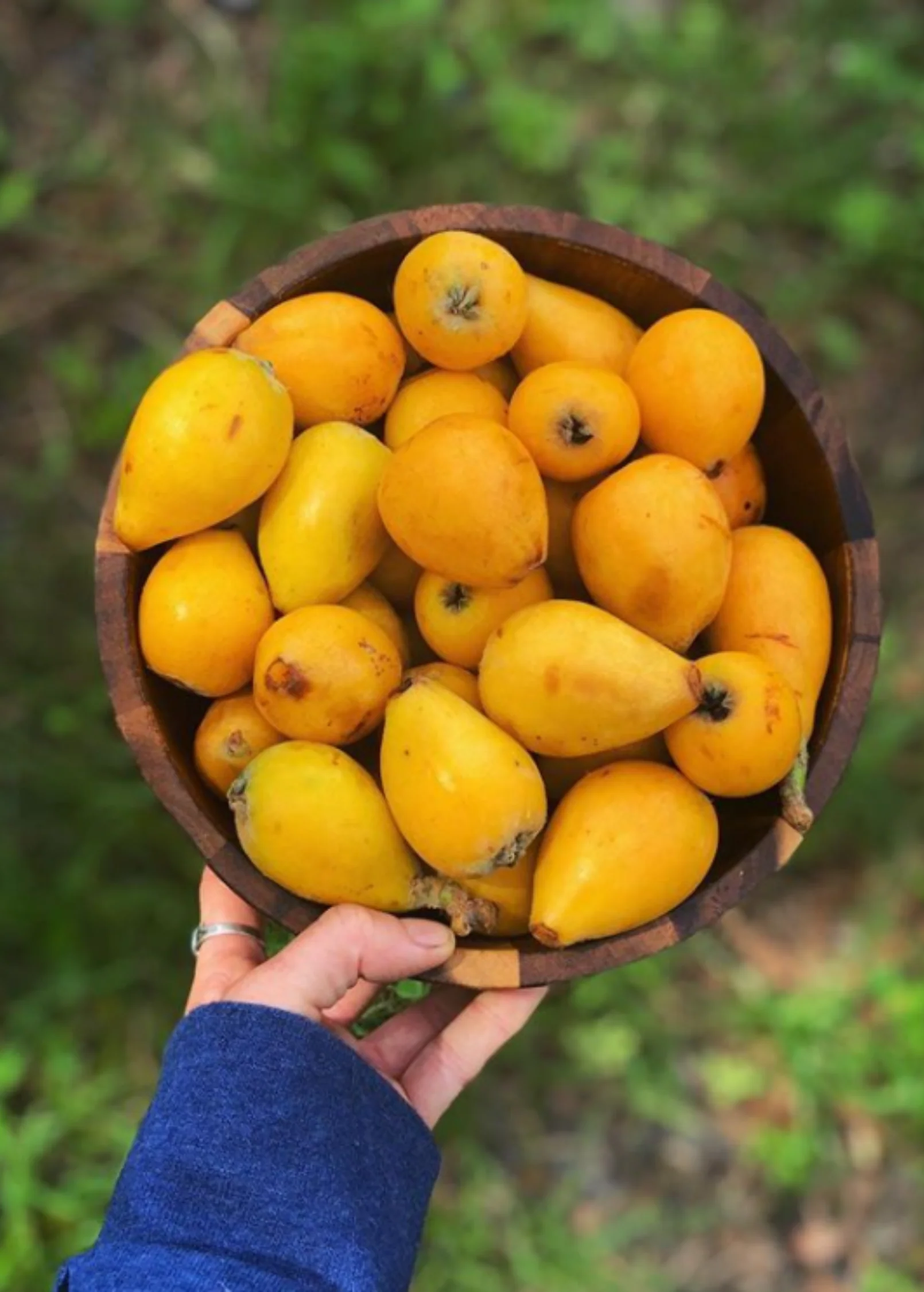
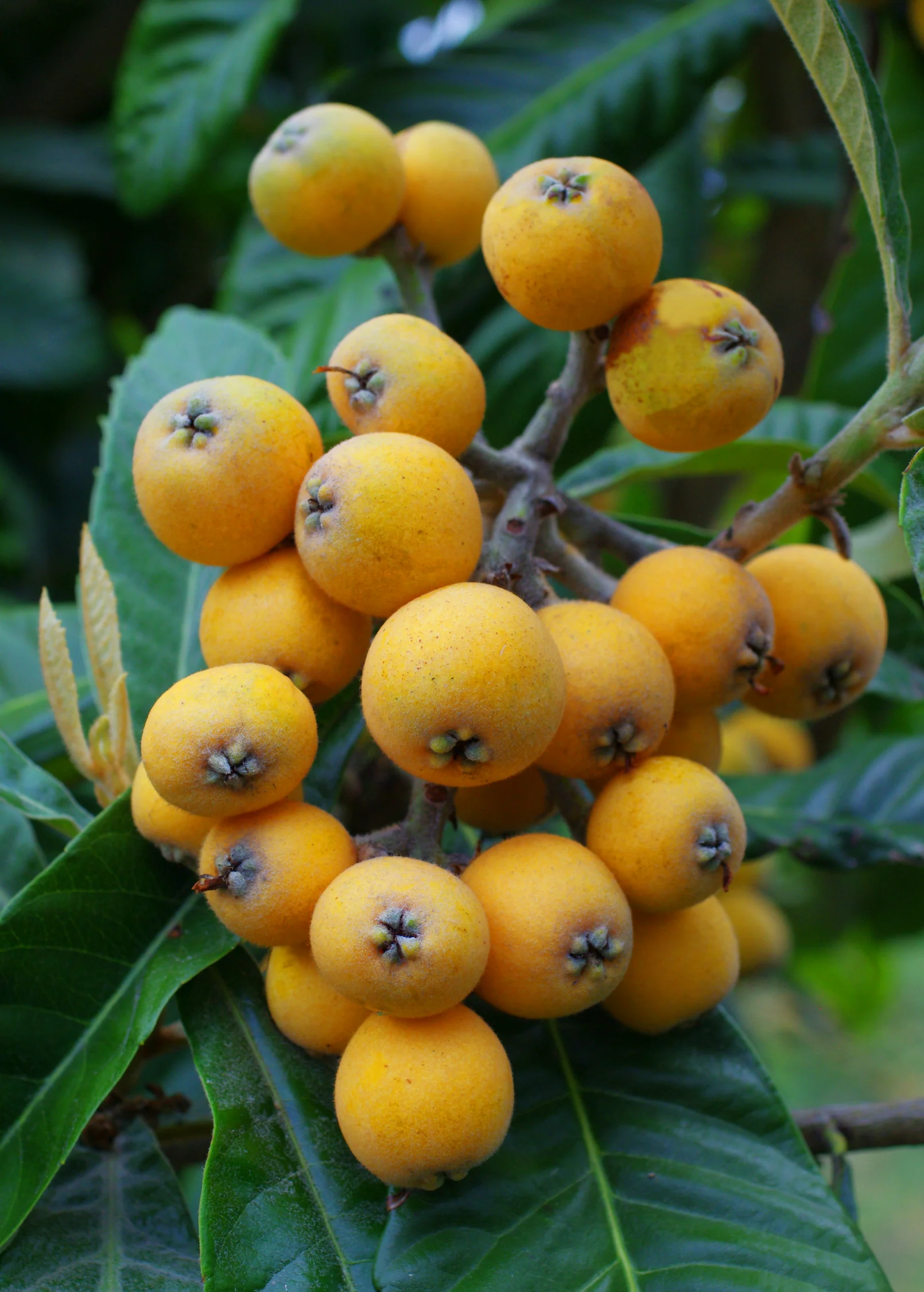
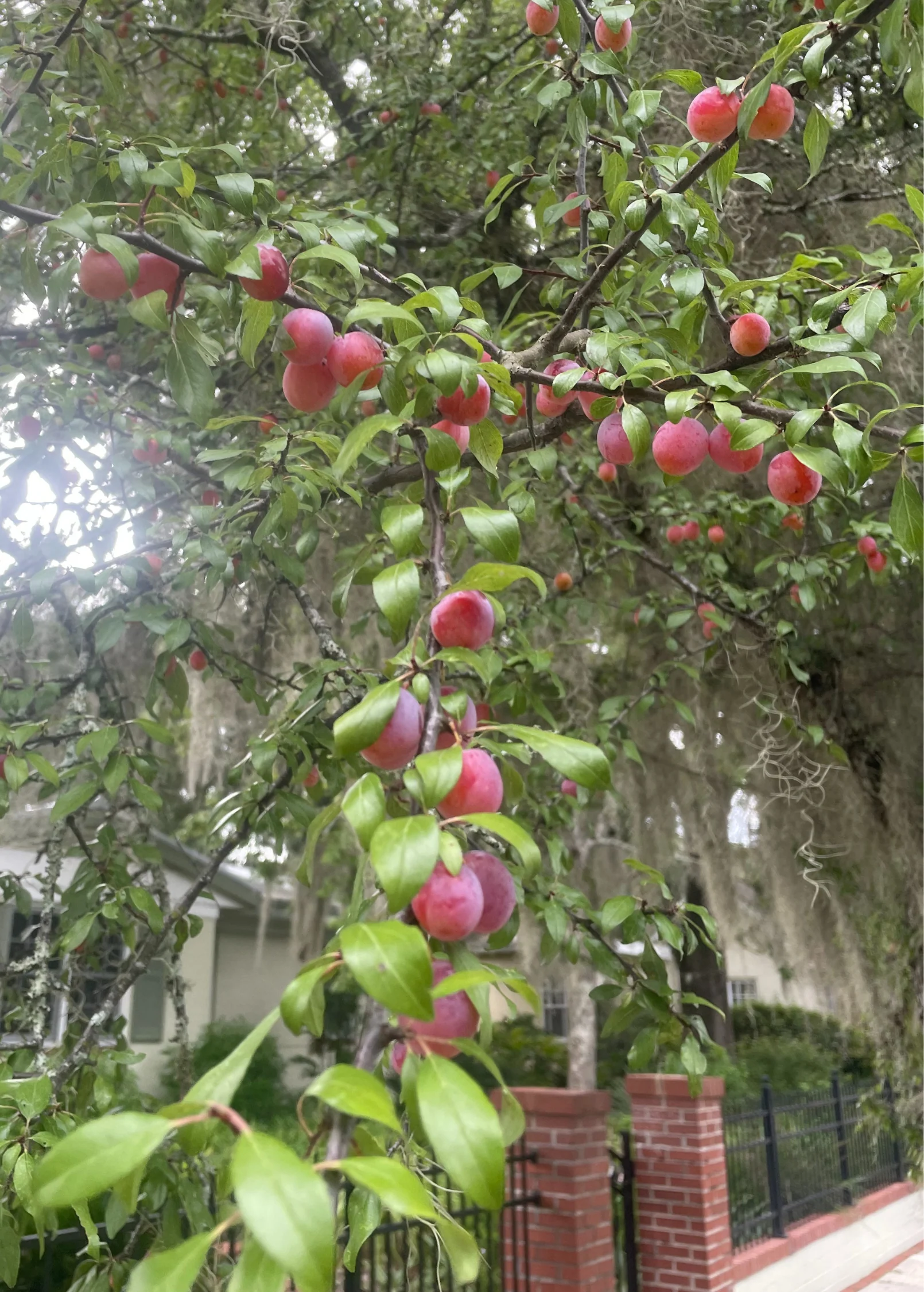
In spring, Chickasaw Plum bursts into clouds of fragrant white flowers, attracting native bees, butterflies, and early pollinators. These blooms are followed by red to yellow plums with soft, juicy flesh—perfect for fresh eating, preserves, jellies, and wild-foraged snacks. The fruit ripens in late spring through early summer and also provides food for birds and beneficial wildlife.
Chickasaw Plum grows as a multi-trunked, shrubby tree reaching 12–20 ft tall, forming thickets that stabilize soil, support biodiversity, and create living fences or wildlife hedgerows. It thrives in Zones 6–10, especially in poor, sandy, or well-draining soils.

Details & Craftsmanship
Every detail has been carefully considered to bring you the perfect product.
Description
Wild Native Plum with Sweet-Tart Fruit & Pollinator Power
The Chickasaw Plum (Prunus angustifolia) is a native North American fruiting tree that produces clusters of small, sweet-tart plums loved by people, pollinators, and wildlife alike. Known for its adaptability, hardiness, and natural beauty, this Florida-friendly native thrives in sandy soils, tolerates drought, and offers high ecological value in food forests and rewilded gardens.
In spring, Chickasaw Plum bursts into clouds of fragrant white flowers, attracting native bees, butterflies, and early pollinators. These blooms are followed by red to yellow plums with soft, juicy flesh—perfect for fresh eating, preserves, jellies, and wild-foraged snacks. The fruit ripens in late spring through early summer and also provides food for birds and beneficial wildlife.
Chickasaw Plum grows as a multi-trunked, shrubby tree reaching 12–20 ft tall, forming thickets that stabilize soil, support biodiversity, and create living fences or wildlife hedgerows. It thrives in Zones 6–10, especially in poor, sandy, or well-draining soils.